Category: Neighborhoods
The charm is real — so are the surprises. Here's what Knoxville homeowners in older houses should have on their radar.
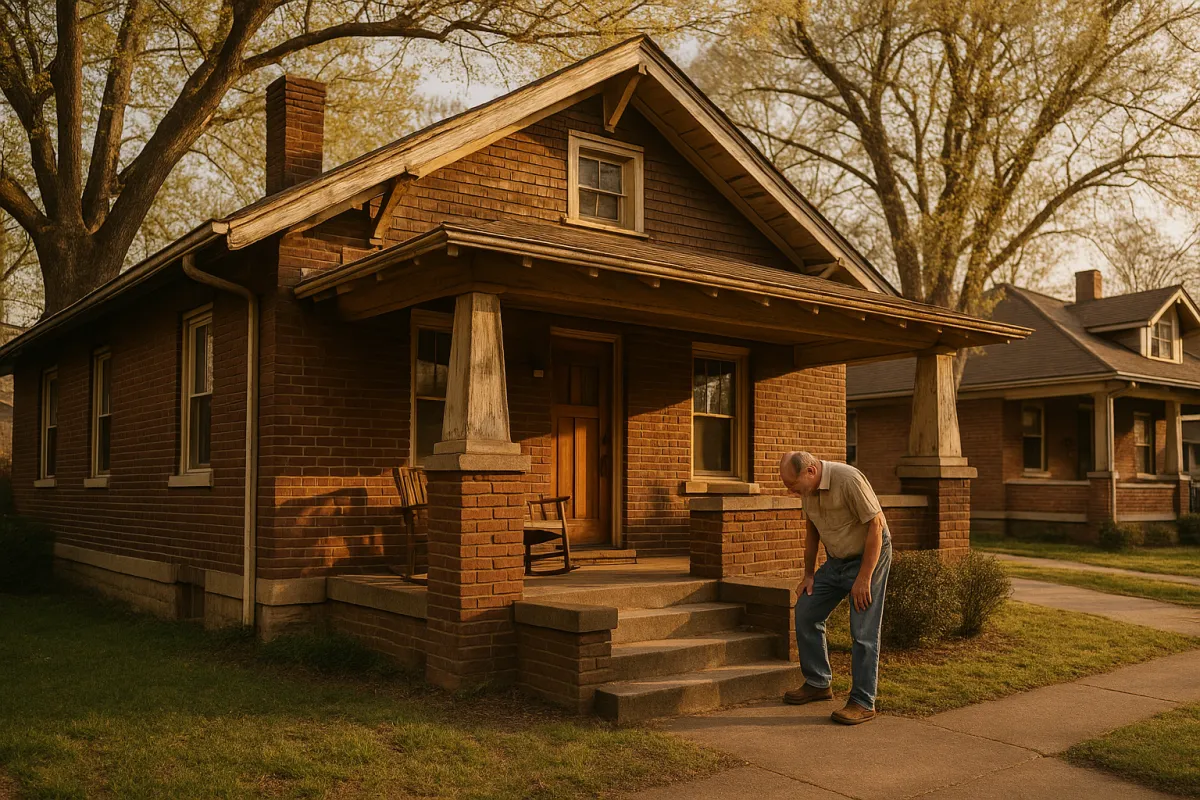
Knoxville's older neighborhoods have something that newer developments simply can't replicate: character. The bungalows in Old North Knox, the craftsman cottages in Fourth and Gill, the mid-century ranches in Sequoyah Hills and West Hills, the solid brick homes scattered across North and South Knoxville — these houses have stories. They were built with old-growth timber, solid hardware, and a permanence that modern construction rarely matches.
But older homes also come with older problems. And in East Tennessee specifically, the local climate, soil, and building traditions create a handful of issues that show up again and again in houses built before the 1970s. Knowing what to look for — before you buy, or after you've been living in one for years — can save you real money and a lot of headaches.
Here's what tends to come up most often.
1. Crawl Space Moisture — The Biggest Offender in East Tennessee
If there's one issue that Knoxville homeowners deal with more than any other, it's crawl space moisture. And it's not just bad luck — it's geography.
East Tennessee's red clay soil, heavy seasonal rainfall, and shifting terrain create conditions that are almost perfectly designed to push water and moisture into the crawl spaces under older homes. Many of the region's pre-1970 homes were built with vented or unsealed crawl space foundations, which made sense at the time but leaves them vulnerable to the humidity that comes with Tennessee summers and the wet springs the Smokies consistently deliver.
The consequences of an unchecked wet crawl space compound quickly. Over time, moisture in a crawl space can lead to sagging, buckling, and even collapsing floors as wooden components rot and concrete cracks. Beyond structural issues, the region's red clay soil, heavy rainfall, and shifting terrain contribute to mold, humidity, and long-term structural damage if left unchecked. There's also an air quality dimension: HVAC units located in crawl spaces pull air from below, and mold, respiratory health problems, allergies, and insect infestation can all result from moisture left unaddressed.
What to look for: Musty smell in the home, soft or springy floors, visible mold near floor registers, or high humidity in lower levels of the house. A flashlight inspection of your crawl space after a heavy rain can be very telling.
What to do about it: Options range from basic vapor barriers to full crawl space encapsulation, which seals the floor and walls with a heavy-duty polyethylene barrier and typically includes a dehumidifier to regulate ongoing moisture. This is worth getting a professional assessment for — the right solution depends on your specific crawl space conditions.
2. Foundation Movement and Settling
Closely related to the moisture issue is foundation movement — and again, East Tennessee's geography plays a starring role. From the clay-rich soil along the Tennessee River to the rolling hills of West Knoxville, homes throughout the region are under constant pressure from shifting ground. Over time, that pressure leads to cracks, leaning walls, sloping floors, and in more serious cases, structural instability.
Older Knoxville homes were often built on block piers or poured concrete footings that have had decades to shift, sink, or crack. Seasonal rains and shifting soil can cause cracks, damp basements, and crawl space problems throughout the region — and the hilly terrain that makes Knoxville so visually appealing also means many homes sit on slopes that channel water directly toward their foundations.
What to look for: Sticking or misaligned doors and windows, visible cracks in exterior brick or around chimneys, floors that slope noticeably in one direction, or gaps between walls and ceilings. If doors won't latch or windows no longer slide smoothly, it may be due to a foundation moving unevenly — as one part of the home settles and another stays in place, the frame shifts out of alignment, leading to gaps, sticking, or shifting doors and windows.
What to do about it: Minor cracking from normal settling is common and often cosmetic. Progressive cracking, bowing walls, or significant floor slope warrant a professional foundation inspection before you dismiss them as normal wear.
3. Outdated Electrical — Knob and Tube Wiring
If your Knoxville home was built before 1950, there's a reasonable chance it was originally wired with knob and tube (K&T) — an early electrical system that used porcelain insulators and individual wires run separately through framing. This was a standard method of electrical wiring in homes built from the 1880s through the 1940s, and it was considered state-of-the-art at the time.
The problem isn't just that it's old — it's that knob and tube wiring is unsafe for today's electrical needs, lacking grounding and risking overheating or fires. It may not support modern appliances, and many insurers refuse coverage for homes with this wiring. Even if the original knob and tube has been partially replaced over the years, mixed wiring systems — old and new combined incorrectly — can actually be more dangerous than either system alone. Many Knoxville homes from this era went through piecemeal electrical updates in the 70s and 80s that left a patchwork of wiring that doesn't meet current code.
What to look for: Ungrounded two-prong outlets throughout the home, a fuse box instead of a breaker panel, cloth-insulated wiring visible in the attic or basement, or a home inspection report flagging electrical concerns.
What to do about it: Have a licensed electrician assess the system. A full rewire is a significant investment but may be necessary — and in some cases required — for home insurance coverage and resale value.
4. Aging HVAC Systems
Tennessee is hard on HVAC equipment. The combination of hot, humid summers and cold winters means systems run year-round without much of a break, and an older home's ductwork, insulation gaps, and air leaks compound the problem by making the system work even harder.
Many Knoxville homes from the 1950s through the 1970s were built when central air conditioning was either new or not yet standard. Early HVAC retrofits often resulted in ductwork run through crawl spaces, attics, or wall cavities in ways that made sense at the time but lose significant efficiency over decades. Open crawl space vents or poor insulation can allow heating or cooling to leak out of your floors during winter and summer months, resulting in an overworked system that drives up energy bills considerably.
Beyond efficiency, older systems simply wear out. The rule of thumb in the industry is that an HVAC system has a useful life of roughly 15–20 years with proper maintenance — which means many systems in Knoxville's older housing stock are either approaching the end of their lifespan or already there.
What to look for: Unusually high energy bills, rooms that won't stay at a consistent temperature, frequent cycling, unusual noises, or a system that's more than 15 years old.
What to do about it: Annual HVAC tune-ups are the most cost-effective preventive measure. When replacement becomes necessary, upgrading to a properly sized, high-efficiency system installed with attention to duct sealing and insulation makes a meaningful difference in both comfort and monthly costs.
5. Old Plumbing — Galvanized Steel and Dated Pipes
Homes built before the late 1970s in Knoxville often have galvanized steel supply lines. Galvanized pipe was the standard for decades — it's strong and inexpensive — but it corrodes from the inside out over time, gradually restricting water flow and eventually failing. In homes where galvanized runs have never been replaced, you may notice brownish water when first turning on a tap, low water pressure throughout the home, or visible rust staining around fixtures.
Some older homes — particularly those built before 1960 — may still have sections of lead pipe, most commonly in the service line connecting the city main to the house. This is worth knowing about and worth testing for. Drain lines present their own challenges too: cast iron drains were standard through the 1970s and are generally durable, but older sections can corrode, crack, or shift with ground movement — leading to slow drains, sewage odors, or persistent moisture under the foundation.
What to look for: Discolored water, low water pressure, frequent drain clogs in multiple fixtures, or a home inspection that flags galvanized or unknown pipe materials.
What to do about it: A plumber can run a camera through drain lines to check their condition and assess supply line materials. If you're dealing with plumbing or HVAC concerns and want a local company familiar with the kind of homes Knoxville's older neighborhoods are built from, GoHero Home Services is a Knoxville-based company serving the area with plumbing, heating, cooling, and related home services — a reasonable place to start for an honest local assessment.
6. Radon Gas — A Local Issue Worth Testing
This one often catches people by surprise, but it's real and specific to the East Tennessee region. Radon is a naturally occurring gas that can enter homes through foundation cracks or unsealed basement floors — and across Eastern Tennessee, specific soil conditions create elevated radon levels, posing a serious concern particularly in homes with basements or crawl spaces.
Radon is colorless, odorless, and the second leading cause of lung cancer in the United States. You cannot detect it without a test. The good news is that testing is inexpensive and mitigation — if needed — is straightforward and reliable.
What to do about it: Pick up a radon test kit at any hardware store or order one online. If levels come back above 4 pCi/L (the EPA action threshold), a licensed radon mitigation contractor can install a venting system that reduces levels significantly. It's a one-time fix for a genuine long-term health concern.
7. Insulation and Air Sealing Gaps
Before modern energy codes, homes were simply built without the insulation standards we take for granted today. Many older Knoxville homes have little to no insulation in the walls, inadequate insulation in the attic, and significant air leakage around windows, doors, plumbing penetrations, and electrical boxes.
East Tennessee winters don't have the brutality of the northern states, but they're cold enough — and the summers are hot enough — that insulation gaps translate directly into comfort problems and elevated utility bills year after year. An attic with inadequate insulation is often the single biggest source of heat loss in an older home, and it's one of the more cost-effective improvements to make.
What to look for: Drafts near windows and doors, rooms that feel noticeably colder or hotter than the rest of the house, or energy bills that seem high relative to the home's size.
What to do about it: An energy audit — available through TVA programs and local contractors — can identify exactly where your home is losing conditioned air and prioritize the improvements that will give you the best return on investment.
The Big Picture
None of this is meant to scare anyone away from older Knoxville homes — quite the opposite. The craftsmanship, the neighborhood character, the tree canopy, the architectural detail — these things genuinely matter, and they're not being built anymore. The older neighborhoods in this city are worth living in and worth maintaining.
But owning an older home responsibly means knowing what to look for and not ignoring the signs when they appear. A wet crawl space that gets attention at the first sign of trouble costs a fraction of what deferred rot and structural damage will eventually demand. Electrical and plumbing systems that are proactively assessed are far cheaper to manage than emergency failures.
If you're buying an older Knoxville home, invest in a thorough inspection — and consider bringing in specialists for the crawl space, electrical, and HVAC systems in addition to a general inspector. If you already own one, a systematic walk-through of the items on this list is a solid Saturday morning project.
The house will thank you. So will your wallet.
For more local resources and neighborhood guides, follow Knoxville Right Now.
